Isometric Flag of Republic of Turkey: A Modern Design Asset
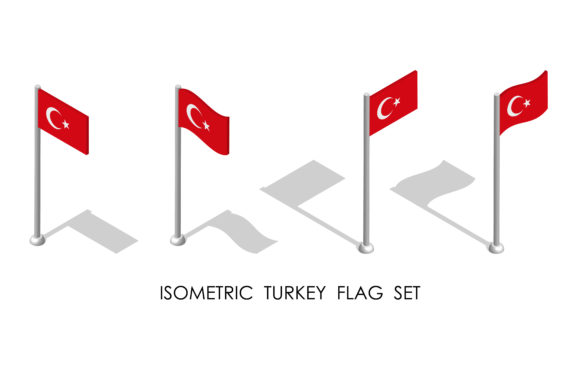
In the fast-paced world of digital communication, a single visual element can instantly convey complex national pride and cultural identity without saying a word. The Isometric Flag of Republic of TURKEY in static position offers designers a sophisticated way to represent sovereignty with depth, dimension, and modern flair. Unlike traditional flat graphics, this 3D vector format introduces a dynamic perspective that captures attention immediately, making it an essential tool for creators seeking to elevate their visual storytelling.
Moving beyond standard two-dimensional representations, the isometric flag of Republic of TURKEY in motion on flagpole brings a sense of life and energy to any project. This specific variation simulates the natural flow of fabric caught in the wind, adding realism and movement that static images often lack. For professionals in graphic design, branding, and UI/UX, these assets are not just decorative; they are strategic components that enhance user engagement and reinforce brand authority.
Elevating Brand Identity with 3D Vector Graphics
When developing a cohesive brand identity, consistency and quality are paramount. Incorporating high-quality 3D vector assets like the Turkish flag in isometric view allows businesses to maintain a premium aesthetic across all touchpoints. The precision of vector graphics ensures that the image remains crisp and scalable, whether it is used as a tiny favicon or a massive billboard backdrop. This scalability is crucial for maintaining professional presentation standards in both print and digital media.
The unique color palette of the red field and white crescent moon stands out vividly in three-dimensional space. By utilizing the isometric flag of Republic of TURKEY in static position, designers can create stable, grounded compositions that anchor a layout effectively. This stability is particularly useful in editorial design and packaging, where a clear focal point is necessary to guide the viewer's eye through the content hierarchy.
Practical Applications Across Industries
The versatility of these 3D elements extends far beyond simple decoration. They serve as powerful tools in various creative projects, bridging the gap between artistic expression and functional design. Here is how these assets integrate into modern workflows:
- Social Media Graphics: Animated versions, such as the flag in motion on flagpole, stop the scroll on feeds, increasing engagement rates for campaigns celebrating national holidays or corporate milestones.
- Web and UI Design: Isometric illustrations add depth to landing pages and dashboards, creating a more immersive experience that improves user retention.
- Marketing Materials: Brochures, flyers, and advertising campaigns benefit from the tactile feel of 3D renders, making promotional content appear more tangible and valuable.
- Merchandise and Packaging: High-resolution vectors ensure that prints on t-shirts, mugs, or product boxes look sharp and professionally finished.
- Presentations: Dynamic visuals in slide decks help break up text-heavy content, keeping audiences focused and interested.
Designing with Purpose and Precision
Selecting the right design asset requires more than just finding a pretty image; it demands an understanding of visual hierarchy and context. When integrating the isometric flag of Republic of TURKEY in static position into a layout, consider how the lighting and shadows interact with other elements. Proper shading adds volume, but it must not overpower the typography or key messaging. The goal is to support the content, not distract from it.
For projects involving the isometric flag of Republic of TURKEY in motion on flagpole, timing and animation style are critical. In web design or video production, the motion should be fluid and realistic, mimicking natural aerodynamics. Over-exaggerated movements can look cartoonish and undermine the professionalism of the brand. Subtlety often yields better results, ensuring the element feels organic within the scene.
Consistency is another pillar of effective visual design. If your brand system relies on a specific isometric style, ensure that all flags and icons share similar lighting angles, shadow lengths, and line weights. Mixing styles can create visual dissonance, confusing the audience and diluting the brand message. By adhering to a unified design language, you create a polished ecosystem where every asset contributes to a larger narrative.
Enhancing Communication Through Visuals
Typography and imagery work best when they complement each other. A bold, sans-serif font might pair well with the clean lines of an isometric flag, while a serif typeface could offer a more traditional contrast. Understanding these relationships helps designers craft messages that resonate emotionally. Whether you are launching a new product, celebrating a historical event, or building a corporate portfolio, the right visual choice speaks volumes about your attention to detail.