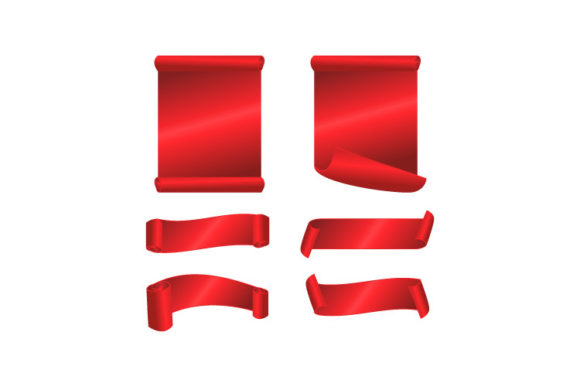
Unlocking the Potential of Red Scrolls and Banner Collection for Professional Design
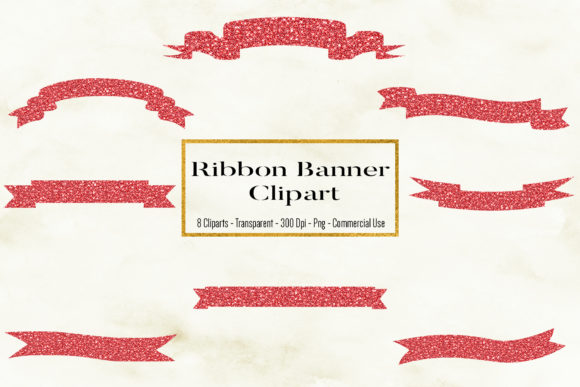
In the fast-paced world of digital and print media, finding high-quality assets that can instantly elevate a project is often the difference between a good design and a great one. This is where the Red Scrolls and Banner Collection becomes an indispensable tool for designers, marketers, and creative directors. Whether you are working on a historical drama poster, a modern branding campaign, or a festive decoration layout, having access to versatile, high-resolution elements can save hours of manual creation.
The specific iteration known as the Red Scrolls and Banner Collection isolated for print, decoration, element design, and background offers a unique advantage: isolation. By separating these intricate designs from complex backgrounds, the files provide maximum flexibility. You can place them anywhere without worrying about unwanted artifacts or difficult masking processes. This article explores why this collection is essential for modern workflows and how its diverse file formats cater to every stage of production.
The Power of Isolation in Modern Design Workflows
One of the most significant advantages of this specific asset pack is the concept of isolation. In traditional graphic design, many clipart or vector collections come with solid white backgrounds or complex layering that requires extensive cleanup. The Red Scrolls and Banner Collection eliminates this friction. When you download the files, you receive elements that are already cut out and ready to be placed onto any canvas.
This feature is particularly crucial for element design. Imagine you are creating a social media post for a brand launch. You need a banner that wraps around text, but you don't want to spend twenty minutes tracing paths in Illustrator. With isolated red scrolls, you can simply drag and drop the element into your composition, resize it to fit the typography, and adjust the opacity to create depth. The isolation ensures that the red hues remain vibrant and distinct, allowing them to serve as focal points without distracting from the main message.
Furthermore, for background applications, these isolated elements can be repeated, tiled, or scattered to create rich textures. A designer might take a single scroll motif from the collection and arrange it in a seamless pattern to form a luxurious backdrop for a wedding invitation or a luxury product packaging design. The ability to manipulate these elements independently means they adapt to both minimalist and maximalist aesthetic trends effortlessly.
Versatility Across Print and Digital Media
The true strength of the Red Scrolls and Banner Collection lies in its cross-platform utility. It is not limited to just one medium; rather, it bridges the gap between physical printing and digital display. Let's look at how these assets function in different environments.
For Print Applications:
- Packaging and Labeling: Red is a color associated with energy, passion, and luck in many cultures. Using isolated scroll designs on tea boxes, gift bags, or cosmetic jars adds an immediate sense of premium quality and cultural relevance.
- Event Decorations: For weddings, corporate galas, or cultural festivals, the banners can be printed on large format paper or fabric. Because the files are provided in high-resolution formats, the edges remain crisp even when scaled up significantly.
- Editorial Design: Magazine layouts often require decorative dividers or headers. These scrolls act as perfect ornamental separators between articles or sections, adding a touch of elegance without overwhelming the text.
For Digital Applications:
- Web Banners and Ads: The Red Scrolls and Banner Collection is perfect for creating eye-catching hero images or promotional sliders. The clean isolation allows for easy integration into responsive web designs where the elements might need to scale down for mobile devices.
- Social Media Graphics: Content creators can use these elements to frame quotes, highlight special offers, or create thematic posts for holidays like Chinese New Year or Diwali, where red is a dominant color.
- Video Overlays: Motion graphics artists can animate these banners, using the vector data to create smooth transitions and floating effects.
Understanding the File Formats: Why Multiple Options Matter
When you purchase or download the Red Scrolls and Banner Collection, you aren't just getting a single image type. The package includes a comprehensive suite of formats: Ai, Eps, Svg, Png, and Jpg. Each of these serves a specific purpose in the design lifecycle, ensuring that whether you are a beginner or a professional, you have the right tool for the job.
The Adobe Illustrator (Ai) and Encapsulated PostScript (Eps) files are the gold standard for vector-based work. These formats store mathematical data rather than pixels, meaning you can scale the red scrolls to the size of a billboard or shrink them to fit a business card without losing any detail. If you plan to edit the curves, change the stroke widths, or recolor the elements to match a specific brand palette, these are the files you will open first. They are essential for element design where customization is key.
For web developers and UI/UX designers, the Scalable Vector Graphics (Svg) format is invaluable. SVGs are lightweight and resolution-independent, making them perfect for websites that need to load quickly while maintaining sharpness on high-DPI screens. You can embed an SVG directly into HTML code, allowing for CSS animations and interactive hover effects on the banners.
On the raster side, the Png and Jpg files offer convenience. The Png format preserves transparency, which is critical if you need to place a scroll over a busy photograph without a white box appearing behind it. Since the collection is "isolated," the PNG files likely come with transparent backgrounds, ready to drop into Photoshop or Canva projects. The Jpg format, while lacking transparency, is universally compatible and ideal for quick previews, email attachments, or situations where file size needs to be minimized for faster loading times.
Cultural Significance and Aesthetic Appeal
Beyond technical specifications, the choice of red scrolls and banners carries significant aesthetic weight. Red has long been a symbol of prosperity, joy, and celebration in Eastern cultures, but it has also found a strong foothold in Western design as a color of urgency and power. The Red Scrolls and Banner Collection leverages this psychological impact.
Designers often struggle to find motifs that feel authentic yet modern. Traditional scrollwork can sometimes appear dated or overly ornate. However, by isolating these elements and providing them in clean vectors, the collection allows for modern reinterpretation. You can combine a classic red scroll with sans-serif typography and geometric shapes to create a fusion style that feels contemporary. This versatility makes the collection suitable for a wide range of industries, from tourism and hospitality to fashion and entertainment.
Consider a scenario where a travel agency is promoting a tour to Kyoto or Beijing. Using a red scroll from this collection as a header for their brochure immediately sets the geographic context. Or, imagine a tech company launching a "New Year" sale. A stylized red banner can convey excitement and exclusivity without needing to be overtly cultural. The isolation allows the designer to control the narrative, using the red element as a subtle hint or a bold statement depending on the project needs.
Practical Considerations for Selection and Usage
Before integrating the Red Scrolls and Banner Collection into your next project, there are a few practical factors to consider to ensure the best results. First, always check the color mode of your source files. While the vector files (Ai, Eps, Svg) are typically in CMYK or RGB depending on the creator's intent, converting them correctly for your final output is vital. For print, ensure you convert to CMYK to avoid unexpected color shifts, especially with deep reds which can sometimes turn muddy if not managed correctly.
Secondly, think about the hierarchy of your design. Because red is such a dominant color, these scrolls can easily overpower other elements if used too aggressively. Use them to frame content, guide the viewer's eye, or accentuate key information rather than dominating the entire layout. The isolation feature helps here, as you can reduce the opacity of the scroll to let underlying textures show through, creating a more sophisticated look.
Finally, consider the licensing and usage rights. While this collection is designed for broad application, always verify the terms if you are using the assets for commercial client work. Most high-quality collections like this allow for unlimited use in personal and commercial projects, but understanding the scope ensures you stay compliant with copyright laws.
Conclusion
The Red Scrolls and Banner Collection represents more than just a set of decorative graphics; it is a toolkit for creativity. Its isolation features, combined with a robust array of file formats, make it adaptable to virtually any design challenge. Whether you are crafting a high-end print advertisement, designing a dynamic website banner, or creating decorations for a special event, these assets provide the structural foundation needed to bring your vision to life. By leveraging the power of vectors and the versatility of isolated elements, designers can achieve professional results with efficiency and style.