Understanding the Twin Pixel Robot Hero Design: A Comprehensive Evaluation
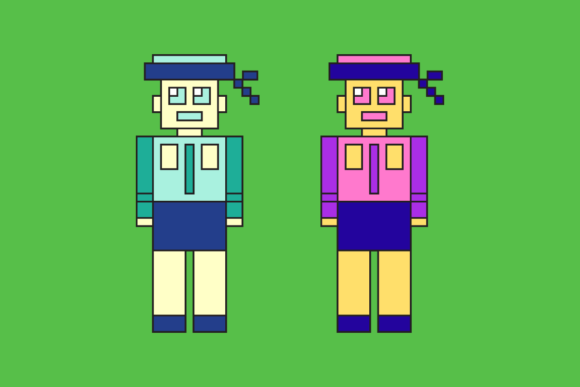
The Twin Pixel Robot Hero represents a distinct approach to digital asset creation, blending mechanical precision with fluid aesthetics. At its core, this design is not merely a static image but a complex composition formed from the beautiful curves of a series of shapes. This structural choice gives an energetic, contemporary, and elegant effect that resonates well with modern visual trends. For professionals aged 20 to 50 who are constantly evaluating resources for branding, web development, or print media, understanding the specific attributes of the Twin Pixel Robot Hero is essential for making informed decisions about which assets to integrate into their workflows.
When researchers examine the Twin Pixel Robot Hero, they often look beyond the surface imagery to understand the underlying technical architecture. The design's appeal lies in its ability to balance natural color palettes with sharp, defined lines. Unlike rigid geometric patterns that can feel cold or outdated, the organic flow of the curves creates a sense of movement. This makes the asset particularly versatile for applications requiring a blend of futuristic themes and human-centric elegance. However, selecting the right asset involves more than just aesthetic preference; it requires a deep dive into file formats, editing capabilities, and compatibility with industry-standard tools.
Technical Specifications and File Format Versatility
A critical factor in the evaluation of the Twin Pixel Robot Hero is its comprehensive support for multiple file formats. In a professional environment, the ability to adapt an image across different platforms without losing quality is paramount. The design is available in a robust suite of formats, each serving a specific purpose within the creative pipeline.
- AI Files (Illustrator 10): The inclusion of native Adobe Illustrator files ensures that designers have full access to the vector layers. This allows for granular control over individual elements, enabling users to recolor, resize, or modify specific curves without rasterization artifacts.
- EPS 10: For workflows involving older software or cross-platform compatibility where AI files might not render correctly, the EPS 10 format provides a reliable fallback. It maintains the vector integrity required for high-quality printing and large-scale displays.
- DXF (AutoCAD 2001 and above): This specification is unique and highly valuable for engineers and architects. By providing a DXF file compatible with AutoCAD 2001 and later versions, the Twin Pixel Robot Hero bridges the gap between graphic design and technical drafting. Users can import the design directly into CAD environments for precise measurement and integration into blueprints or industrial schematics.
- SVG: As web standards evolve, Scalable Vector Graphics (SVG) have become the gold standard for responsive design. The SVG version of the Twin Pixel Robot Hero ensures crisp rendering on any screen resolution, from mobile devices to 4K monitors, without the pixelation common in bitmap images.
- JPG and PNG (1200px x 800px, 300dpi): For quick deployment in marketing materials, social media, or presentations, the rasterized options offer convenience. Both formats are provided at a high resolution of 300dpi, ensuring that the natural colors and fine details remain sharp even when printed on high-quality paper or viewed on large screens.
The availability of these diverse formats means that the Twin Pixel Robot Hero can fit seamlessly into almost any project lifecycle. Whether the end goal is a physical brochure, a digital website, or a technical schematic, the asset scales appropriately. This versatility eliminates the need to purchase separate assets for different use cases, streamlining the resource acquisition process.
Editing Tools and Workflow Integration
The utility of the Twin Pixel Robot Hero is further enhanced by its compatibility with widely recognized editing tools. The primary requirement for manipulating the vector components is Adobe Illustrator. This industry-standard software allows for the deepest level of customization. Designers can utilize the pen tool to adjust the "beautiful curves" mentioned in the design description, altering the tension of the lines to better match a brand's voice or a specific campaign theme.
For those working in technical fields, AutoCAD serves as the essential interface. The DXF file included with the package ensures that the design retains its geometric accuracy when imported. This is crucial for applications where the dimensions of the curves matter, such as in manufacturing prototypes or architectural overlays. The ability to switch between artistic manipulation in Illustrator and technical precision in AutoCAD makes the Twin Pixel Robot Hero a dual-purpose asset.
Finally, for stakeholders who need to review or present the design without engaging in active editing, standard image viewers are sufficient. The JPG and PNG formats ensure that the final output can be shared instantly with clients or team members via email or cloud storage, preserving the natural color scheme and the energetic effect intended by the original creator.
Comparative Analysis: Strengths and Tradeoffs
When comparing the Twin Pixel Robot Hero to other similar design resources, several factors distinguish it. Many generic robot-themed assets rely heavily on blocky, angular shapes that convey a sense of rigidity. While effective for certain industrial contexts, these designs often lack the contemporary elegance found in the Twin Pixel Robot Hero. The emphasis on curves allows this asset to stand out in crowded digital spaces, offering a softer yet more dynamic visual identity.
However, no single asset is perfect for every scenario. The primary strength of the Twin Pixel Robot Hero lies in its hybrid nature—combining artistic flair with technical data. This makes it ideal for tech startups, educational institutions, and forward-thinking brands that want to communicate innovation without sacrificing sophistication. The natural color palette adds another layer of accessibility, making the design feel less artificial than monochromatic or neon-heavy alternatives.
Conversely, there are tradeoffs to consider. If a project requires extreme customization of the internal geometry that goes beyond simple scaling or recoloring, the reliance on specific software versions (like Illustrator 10 or AutoCAD 2001+) might pose a limitation for users with legacy systems. Additionally, while the 1200px x 800px resolution is excellent for most web and print applications, ultra-high-resolution billboards might require the source vector files to be scaled significantly, which could occasionally lead to slight softening if the original vector paths were not optimized for massive enlargement.
In terms of alternatives, many free stock images offer basic robot icons, but they rarely come with the same depth of file variety. Purchasing a dedicated asset like the Twin Pixel Robot Hero often results in higher quality control and better support for professional workflows. The inclusion of DXF files, in particular, sets this option apart from standard graphic design packages, catering to a niche that often overlooks the intersection of art and engineering.
Determining the Best Fit for Your Needs
Deciding whether the Twin Pixel Robot Hero is the right choice depends largely on the specific requirements of your project. If your workflow involves heavy technical drafting or requires the seamless integration of graphics into CAD models, this asset is likely the superior option. The DXF compatibility alone may justify the selection for engineering teams looking to visualize concepts alongside technical drawings.
For marketing and branding professionals, the decision rests on the desired aesthetic. If the goal is to create an energetic, contemporary look that appeals to a broad audience, the curved design language of the Twin Pixel Robot Hero offers a compelling advantage over more traditional, rigid iconography. The natural colors help in maintaining a professional tone, avoiding the jarring effects sometimes associated with overly stylized or dark-themed robot graphics.
On the other hand, if your needs are strictly limited to low-resolution web usage where vector scalability is not a priority, simpler alternatives might suffice. Similarly, if your organization does not utilize Adobe Illustrator or AutoCAD, the advanced editing features may go underutilized, though the raster versions remain fully functional.