Mastering the Realistic Illustration Set Transparent T for Professional Visual Workflows
In the rapidly evolving landscape of digital design, the demand for assets that seamlessly integrate into complex compositions has never been higher. Designers, educators, and business owners are constantly seeking resources that offer flexibility without compromising on visual fidelity. This is where the Realistic Illustration Set Transparent T emerges as a pivotal tool. Unlike standard clip art or rigid vector graphics, this specific collection bridges the gap between artistic realism and technical utility, offering a unique solution for professionals who require precision in their layouts.
The core value of this asset library lies in its format versatility and the quality of its transparency handling. When working on projects ranging from marketing brochures to educational textbooks, the ability to layer elements naturally is crucial. The Transparent T designation refers to a specific methodology of isolation used within these illustrations, ensuring that backgrounds do not interfere with the underlying design structure. This article explores the practical applications, technical advantages, and strategic implementation of these high-fidelity assets across various industries.
The Technical Foundation: Understanding Format Versatility
To fully appreciate the utility of the Realistic Illustration Set Transparent T, one must first understand the file formats that power it. The ecosystem typically supports both EPS 10 and JPEG standards, each serving distinct purposes in the creative workflow. EPS 10 (Encapsulated PostScript) is the gold standard for print production and scalable vector graphics. It allows designers to resize illustrations to billboard dimensions without losing any sharpness or detail. This scalability is essential for large-format printing, such as banners, trade show displays, and architectural renderings.
Conversely, the JPEG format provides immediate accessibility for web-based projects and quick previews. While JPEGs are raster-based and can lose quality upon excessive resizing, they are optimized for fast loading times and compatibility with a wide range of software applications. In the context of the Transparent T set, the JPEG files often serve as high-resolution references or final outputs for digital screens where vector manipulation is not required. The combination of these two formats ensures that a single asset can be utilized from the initial concept phase through to final distribution, regardless of the medium.
- EPS 10: Ideal for print, scaling, and editing individual vector paths.
- JPEG: Optimized for web display, email attachments, and rapid prototyping.
- Transparency: The defining feature that removes background noise for clean integration.
Why Transparency Matters in Modern Design
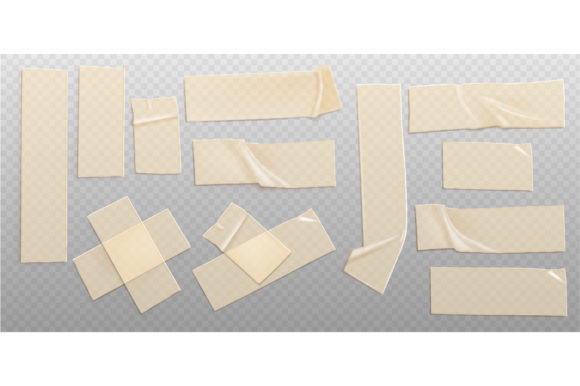
The term "Transparent T" is not merely a label; it represents a critical workflow advantage. In traditional illustration sets, images often come with white boxes or solid color backgrounds that obscure the intended composition. Removing these backgrounds manually is time-consuming and often results in jagged edges or loss of fine details like hair strands, glass reflections, or soft shadows. The Realistic Illustration Set Transparent T eliminates this friction by delivering pre-isolated elements.
This level of preparation is particularly beneficial for composite imagery. For instance, a graphic designer creating a realistic scene of a busy coffee shop might need to place a steaming cup of coffee onto a wooden table texture. If the coffee cup image includes a white background, the result looks artificial and disjointed. With the transparent version, the cup appears to sit naturally on the surface, preserving the lighting interactions and depth perception. This capability extends beyond simple placement; it allows for advanced blending modes, drop shadows, and color adjustments that make the illustration feel like an organic part of the photograph or design.
For researchers and data visualization experts, this clarity is equally important. When presenting complex information, cluttered visuals can distract from the data itself. Using isolated, realistic icons and objects helps guide the viewer's eye directly to the key points of interest, enhancing comprehension and retention.
Practical Applications Across Industries
The versatility of the Realistic Illustration Set Transparent T makes it applicable to a vast array of professional sectors. Its realistic style avoids the cartoonish look of many vector libraries, making it suitable for corporate environments, medical fields, and high-end consumer products.
Marketing and Branding
Brands today strive for authenticity. Consumers are drawn to imagery that feels grounded in reality rather than abstract or overly stylized. Marketing teams utilize these illustrations to create social media campaigns, email newsletters, and landing pages that stand out. By using the Transparent T assets, a brand can create dynamic collages that tell a story without looking like a template. For example, a tech company launching a new device could use realistic illustrations of the hardware floating against a gradient background, leveraging the transparency to blend the product seamlessly with the environment.
Education and Training Materials
Educators and instructional designers face the challenge of explaining complex concepts to diverse audiences. Textbooks, e-learning modules, and presentation slides benefit greatly from high-quality visuals. A biology teacher explaining cellular structures can use realistic illustrations of organelles that have been isolated using the Transparent T method. This allows students to focus on the biological components without the distraction of irrelevant background elements. Similarly, safety manuals can incorporate realistic depictions of machinery and protective gear, ensuring that workers recognize the equipment in real-world scenarios.
Web and App Development
For UI/UX designers, every pixel counts. The transition from wireframing to high-fidelity prototypes requires assets that look polished. The Realistic Illustration Set Transparent T offers a middle ground between custom photography (which can be expensive and legally restrictive) and generic stock photos (which may lack uniqueness). Developers can easily integrate these transparent PNG or EPS files into responsive web designs, ensuring that the illustrations adapt to different screen sizes while maintaining their crisp edges.
Workflow Integration and Implementation
Integrating these assets into a daily workflow requires a strategic approach. The process begins with selecting the appropriate format based on the end goal. If the project involves print media, starting with the EPS 10 version is recommended to ensure maximum resolution. Designers can open these files in Adobe Illustrator or CorelDRAW to adjust colors, scale, or rearrange vector paths before exporting them for final use.
For digital-first projects, the JPEG versions provide a quicker turnaround. However, even when using raster formats, the transparency feature allows for non-destructive editing. Tools like Photoshop or Affinity Photo can apply layer styles, such as inner glows or outer shadows, to the transparent elements, adding depth and dimension. This step transforms a flat illustration into a three-dimensional object that interacts with the surrounding light and atmosphere.
- Asset Selection: Identify the specific elements needed from the Realistic Illustration Set Transparent T.
- Format Choice: Choose EPS for print/scalability or JPEG for speed/digital use.
- Layering: Import the transparent assets into your design canvas.
- Refinement: Apply blending modes, shadows, and color corrections to match the scene.
- Export: Save the final composition in the required delivery format.
Considerations for Professional Use
While the benefits of the Realistic Illustration Set Transparent T are substantial, professionals should remain mindful of certain considerations. Licensing agreements vary between providers, and it is essential to verify usage rights, especially for commercial projects. Some licenses may restrict the number of impressions or prohibit resale of the raw assets.
Additionally, the realism of the illustrations must align with the overall aesthetic of the project. Overusing highly detailed, photorealistic elements in a minimalist design can create visual dissonance. The key is balance. These assets work best when they complement the typography and layout rather than overpowering them. Furthermore, file size management is crucial. High-resolution transparent JPEGs can become heavy, potentially slowing down web page load times. Compressing these files appropriately without sacrificing the integrity of the transparent edges is a necessary skill for modern web developers.
The Future of Digital Asset Creation
As technology advances, the line between photography and illustration continues to blur. Generative AI and 3D rendering tools are producing increasingly realistic outputs, yet the structured nature of vector-based illustration sets remains unmatched for editing and customization. The Transparent T methodology represents a forward-thinking approach to asset creation, prioritizing user control and integration efficiency.
For hobbyists and small business owners, access to such high-quality, versatile assets democratizes design. It allows individuals without extensive graphic design training to produce professional-grade materials. Whether designing a wedding invitation, a local business flyer, or a personal blog, the availability of realistic, transparent illustrations empowers creators to express their vision with clarity and impact.
Conclusion
The Realistic Illustration Set Transparent T stands as a testament to the importance of quality and flexibility in digital design. By combining the scalability of EPS 10 vectors with the convenience of JPEG formats, and by prioritizing transparency for seamless integration, this asset class addresses the core needs of a broad spectrum of users. From the boardroom to the classroom, the ability to manipulate realistic imagery with ease enhances communication, engagement, and aesthetic appeal. As we move forward in a visually saturated world, tools that prioritize clarity and professional execution will continue to be indispensable resources for creators everywhere.