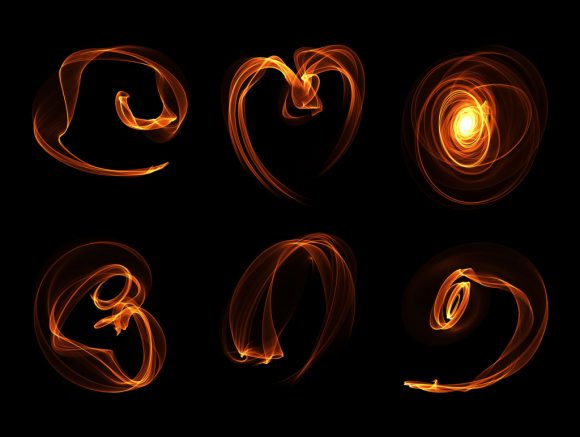
Abstract Flame Isolated Elements: A Practical Guide to High-Quality Graphic Assets
In the realm of digital design, finding assets that balance artistic flair with technical precision is often a challenge. Abstract flame isolated elements have emerged as a versatile solution for designers seeking dynamic visual accents without the clutter of complex backgrounds. These graphics are not merely decorative; they represent a specific category of vector and raster art designed for maximum adaptability across various media platforms. Whether you are a graphic designer working on a brand identity or a hobbyist creating custom merchandise, understanding the nuances of these assets is crucial for making an informed decision.
The core appeal of abstract flame isolated elements lies in their transparency and isolation. Unlike standard clipart that might include shadows, borders, or irrelevant background details, these elements are stripped down to their essential forms. This isolation allows them to be layered seamlessly over any color or texture, providing a professional finish that integrates naturally into the final composition. The high-quality nature of these files ensures that the intricate curves and gradients of the flames remain sharp, regardless of the scale at which they are used.
Understanding the Format and Technical Specifications
When evaluating resources for your next project, the file format is often the first consideration. The availability of both PNG and customizable PSD files within a single package offers a significant advantage for users who need flexibility. The PNG (Portable Network Graphics) version provides immediate usability. It features a transparent background, meaning you can drop the image directly onto a dark poster, a light website banner, or a colorful t-shirt mockup without worrying about white boxes or awkward edges.
However, the inclusion of the Adobe Photoshop PSD file elevates this resource from a simple download to a comprehensive toolkit. A PSD file contains layers, allowing for deep customization. Designers can adjust the opacity of individual flame segments, change colors using adjustment layers, or even combine different abstract shapes to create entirely new patterns. This level of control is what distinguishes high-end assets from generic stock images. It transforms a static picture into a malleable component of your creative process.
PNG vs. PSD: Choosing the Right Tool for the Job
The decision between using the PNG or the PSD version depends largely on your workflow and technical proficiency. If you require speed and simplicity, the PNG is the ideal choice. It is perfect for quick edits, social media posts, or situations where you do not have access to advanced editing software. You simply drag and drop the file, resize it, and export it.
Conversely, the PSD file is indispensable for professionals who need to match specific brand colors or alter the shape of the flame to fit a unique layout. For instance, if you are designing a logo and need the fire element to be exactly the same shade of orange as your company's primary palette, the PSD allows you to achieve this instantly without the limitations of flat image editing. While the PNG offers convenience, the PSD offers power. Having both options ensures that the asset remains useful whether you are in a rush or have ample time to refine the details.
Evaluating Use Cases Across Industries
The versatility of abstract flame isolated elements makes them applicable to a wide range of industries and applications. Their ability to convey energy, passion, heat, or transformation makes them a popular choice for branding and marketing materials. However, their utility extends far beyond simple decoration.
- Apparel and Merchandise: The high resolution and clean edges make these elements perfect for screen printing and direct-to-garment (DTG) printing. They work exceptionally well on T-shirts, where the flame motif can serve as a central graphic or a subtle border detail. The isolated nature ensures that the print quality remains crisp even when scaled up for large back-print designs.
- Home Decor and Accessories: From coffee cups and mugs to mouse pads and magnets, these graphics add a modern touch to everyday items. The transparency allows the flame design to wrap around curved surfaces or blend with the product's existing color scheme without looking like a sticker pasted on top.
- Marketing and Print Media: Posters, signs, and flyers benefit greatly from the dynamic movement of abstract flames. In a crowded marketplace, a design featuring fluid, burning lines can grab attention more effectively than static imagery. The ability to customize the color via the PSD file means you can align the graphic with seasonal themes or promotional campaigns effortlessly.
- Digital Applications: Stickers, buttons, and vinyl decals are other areas where these elements shine. Whether for a physical storefront window or a digital app interface, the scalability of the source files ensures the design never pixelates.
It is important to note that while these elements are highly adaptable, they are best suited for projects that require a sense of motion or intensity. For a corporate financial report or a minimalist medical brochure, such fiery imagery might feel out of place. Understanding the emotional weight of the design is just as important as understanding its technical capabilities.
Comparing Abstract Flames to Other Design Assets
When exploring alternatives, designers often compare abstract flame elements against realistic fire photos, 3D rendered flames, or hand-drawn illustrations. Each option has distinct strengths and tradeoffs that influence the final outcome of a project.
Realistic Fire Photos: High-resolution photographs of real fire offer authenticity but come with significant limitations. They often contain complex lighting effects, smoke, and background debris that are difficult to remove. Integrating a photo of a real bonfire into a sleek, modern logo design can result in a jarring aesthetic clash. Furthermore, photos lack the editability of vector-based or layered PSD files. You cannot easily change the color of a photograph without losing quality or introducing artifacts.
3D Rendered Flames: Three-dimensional renders provide depth and volume, which can be impressive for video games or cinematic backgrounds. However, they often require heavy processing power and specialized software to manipulate. For 2D print media or web design, a 3D render might be overkill and harder to integrate cleanly. Abstract flame isolated elements, by contrast, are optimized for 2D environments, offering a stylized look that complements flat design trends and modern typography.
Hand-Drawn Illustrations: Custom illustrations offer a unique, organic feel that machines cannot replicate. They are excellent for building a bespoke brand identity. However, they are time-consuming and expensive to produce. Using pre-made abstract flame isolated elements serves as a cost-effective alternative that still delivers a high level of professionalism. While they may not possess the singular "soul" of a commissioned piece, they provide a reliable foundation that can be customized to mimic a hand-drawn style through layer manipulation and texture overlays.
Decision Factors: When to Choose This Resource
Selecting the right asset involves weighing several factors, including budget, timeline, and desired output quality. If your project requires a rapid turnaround and you need a graphic that looks professional immediately, the combination of PNG and PSD files is a strong contender. The dual-format approach mitigates the risk of needing to hunt for additional tools later in the production process.
Consider the tradeoff between customization and ease of use. While the PSD file offers extensive editing capabilities, it does require a certain level of familiarity with Adobe Photoshop. Users who are less experienced might find the layer structure overwhelming initially. However, the learning curve is generally low, and the long-term benefits of having editable layers outweigh the initial effort. Conversely, if you are strictly working in a browser-based editor that does not support PSD files, the PNG becomes your primary tool, limiting your ability to tweak colors but ensuring compatibility.
Another critical factor is the intended medium. For digital-only projects, the PNG is sufficient. But for physical products like vinyl decals or large-scale posters, the ability to access the original high-resolution data in a PSD file is invaluable. It allows you to adjust the DPI (dots per inch) and ensure that the final print meets industry standards without loss of clarity.
Maximizing Value Through Strategic Application
To get the most out of abstract flame isolated elements, it is helpful to think beyond their literal representation. Do not limit yourself to using them solely as fire. By adjusting the hue, saturation, and blending modes in the PSD file, these elements can transform into lightning bolts, flowing ribbons, or abstract water splashes. This versatility adds significant value to the purchase, effectively giving you multiple assets in one download.
For example, a designer working on a winter-themed campaign could take the same abstract flame shape, shift the color palette to icy blues and whites, and use it to represent frost or wind currents. This technique demonstrates how a single resource can serve multiple thematic needs, reducing the need to search for new assets for every variation of a project.
Ultimately, the choice to utilize abstract flame isolated elements should be driven by the specific requirements of your design brief. If you need a graphic that conveys energy, stands out against varied backgrounds, and offers the flexibility to adapt to different brand identities, these assets are a robust solution. They bridge the gap between generic stock imagery and expensive custom illustration, providing a middle ground that is accessible to professionals and amateurs alike. By leveraging the included PSD file for customization and the PNG for immediate deployment, you ensure that your design workflow remains efficient and your final output remains visually striking.