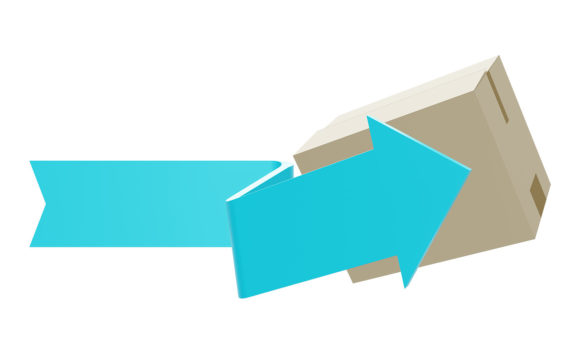
3d Cardboard Box with Arrow
In the fast-paced world of digital visual communication, a single, well-crafted element can instantly convey complex ideas without a single word. The 3d cardboard box with arrow has emerged as a versatile asset that bridges the gap between physical logistics and modern graphic design, offering designers a powerful tool to enhance user experience and brand storytelling.
Available in high-resolution formats like PNG, JPG, and PSD, this specific design element provides the flexibility needed for diverse creative projects. Whether you are refining a logo, building a UI interface, or crafting a social media campaign, having access to premium-quality 3D assets allows for a level of polish that flat illustrations often struggle to achieve.
The Role of 3D Elements in Modern Branding
Visual hierarchy is the backbone of effective design, guiding the viewer's eye through information in a logical sequence. A 3d cardboard box with arrow introduces depth and dimensionality, making static layouts feel dynamic and interactive. This sense of realism helps users intuitively understand concepts related to shipping, delivery, sustainability, or product unboxing.
When integrated into a brand identity system, these assets reinforce consistency. They signal reliability and tangibility, which are crucial for e-commerce businesses and logistics companies. By utilizing high-fidelity graphics, designers can create a cohesive look across print and digital channels, ensuring that the message remains clear regardless of the medium.
Practical Applications Across Industries
The versatility of this asset extends far beyond simple packaging mockups. Its ability to represent movement and direction makes it suitable for a wide array of design workflows:
- Marketing Materials: Use the arrow to direct attention to call-to-action buttons or special offers in brochures and flyers.
- Social Media Graphics: Create engaging posts for platforms like Instagram and LinkedIn that highlight new product launches or delivery services.
- Website and UI Design: Implement the icon as a navigational cue in UX design, indicating "next steps" or "shipping status" within an app interface.
- Packaging Design: Utilize the base image for realistic mockups that showcase how a final product will appear on retail shelves.
- Editorial Design: Enhance magazine layouts or blog headers with subtle 3D elements that add texture and interest to typography-heavy pages.
Evaluating and Selecting Quality Assets
Not all design resources are created equal. When sourcing a 3d cardboard box with arrow, it is essential to evaluate the file quality to ensure it meets professional standards. High resolution is non-negotiable; low-quality images can pixelate when scaled, ruining the aesthetic integrity of a project.
The availability of PSD files is particularly valuable for advanced users. These layered files allow designers to manipulate shadows, lighting, and colors to match their specific color palette. This customization ensures that the asset blends seamlessly with existing branding rather than looking like a generic stock addition. Conversely, PNG files offer transparency, making them perfect for overlaying onto complex backgrounds without needing extensive editing.
Enhancing Visual Communication
Typography and imagery must work in harmony to deliver a polished message. When placing a 3D element alongside text, consider the balance between the two. The arrow should guide the eye naturally toward the headline or key information, not distract from it. In web design, for instance, a subtle shadow effect on the box can create a tactile feel that encourages interaction.
Furthermore, the arrow itself carries semantic meaning. It implies progress, forward momentum, and clarity. In a marketing campaign, this visual cue can subconsciously persuade users to move down a sales funnel or complete a purchase. By aligning the direction of the arrow with the natural reading pattern of your audience, you optimize the flow of information and improve overall engagement.
Maintaining a consistent style across all creative projects is vital for long-term brand success. Whether you are designing merchandise, digital products, or advertising campaigns, using a unified set of 3D assets helps establish a recognizable visual language. This consistency builds trust and professionalism, making your brand stand out in a crowded marketplace.
Ultimately, thoughtful design choices elevate the entire user journey. By leveraging high-quality, easily usable assets like the 3d cardboard box with arrow, creators can focus more on strategy and less on technical limitations. The result is a collection of work that is not only visually stunning but also highly effective in communicating its intended message.